Landmark in Real-Time Metabolic Monitoring on Chip: BLOC Benchtop NMR comes to light

In a significant advancement for lab-on-chip technology, BLOC researchers have demonstrated the first integration of a benchtop nuclear magnetic resonance (NMR) spectrometer with a microfluidic cell culture platform capable of real-time metabolic monitoring, made feasible by employing quantum-enhanced NMR techniques to dramatically increase signal sensitivity.
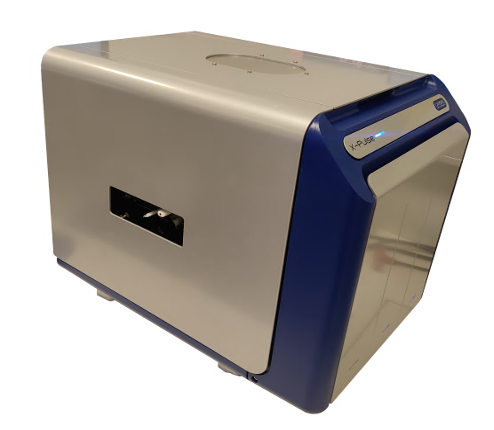
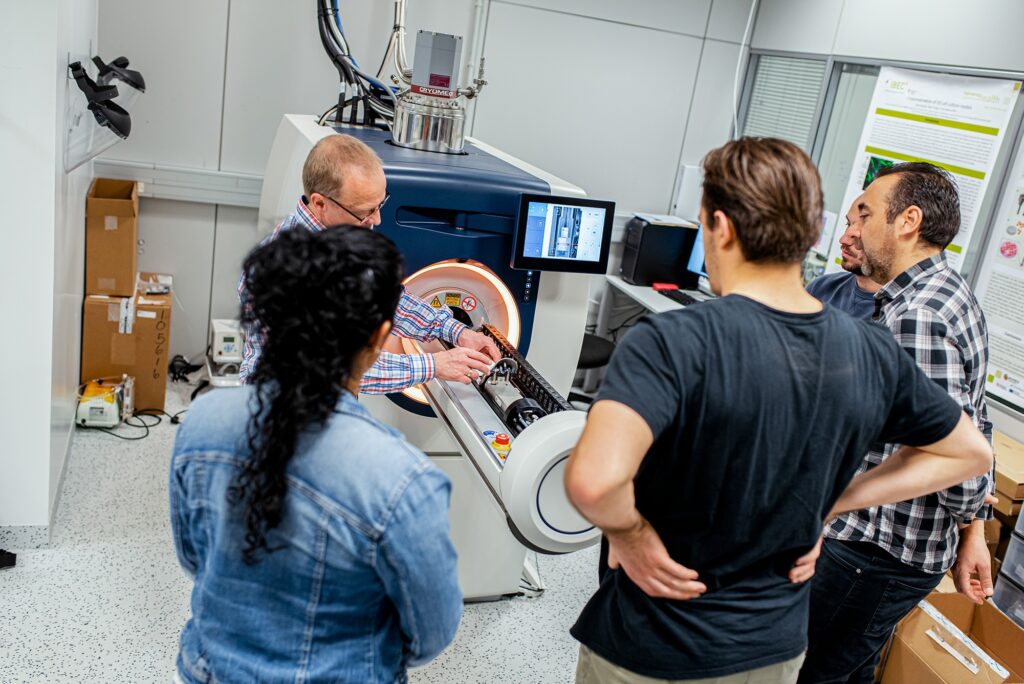
Photo of the desktop NMR spectrometer developed within the framework of the European project BLOC.

Metabolic analysis of living cells in vitro is central to understanding cellular physiology, disease mechanisms, and responses to treatments. Traditional methods for monitoring metabolism often rely on offline assays or sophisticated high-field instruments that are expensive and require large sample volumes. NMR spectroscopy, with its unparalleled ability to differentiate chemical species noninvasively, has long promised rich insight into biochemical processes, but its inherently low sensitivity has limited its use in microscale contexts. This challenge is particularly acute in microfluidic platforms, where sample volumes are minimal and metabolic processes evolve dynamically.

The recent study introduces a benchtop NMR spectrometer adapted for dissolution Dynamic Nuclear Polarization (dDNP), a hyperpolarization technique that enhances nuclear spin polarization far beyond thermal equilibrium, boosting NMR signal intensity by several orders of magnitude. By exploiting this enhancement, the authors were able to overcome the classical sensitivity limitations of compact NMR hardware and detect metabolic changes in real time in cell cultures flowing through custom microfluidic devices. The development of this new technology was the main objective of BLOC: Benchtop NMR for lab-on a-chip, an European funded project, run from 1 January 2020 to 31 December 2023, coordinated by Irene Marco-Rius, principal investigator of the Molecular Imaging for Precision Medicine group at the Institute for Bioengineering of Catalonia (IBEC).

The integration of benchtop NMR with microfluidics involved careful engineering of the detection system and fluid handling, allowing hyperpolarized metabolites introduced into the cell culture environment to be observed as they were taken up and transformed by cells. This approach yields kinetic data on metabolic reactions without interrupting the culture or requiring large cell populations, a key advantage for studies of rare or precious biological samples. The researchers demonstrated that crucial metabolic conversions could be observed continuously, providing a time-resolved window into the biochemical state of the cells under study.

The results represent a milestone for on-chip metabolomics: a compact, cost-effective NMR platform capable of direct observation of dynamic metabolic fluxes in microfluidic systems. By leveraging hyperpolarization, the technology bridges the gap between high-field NMR performance and the practical needs of lab-on-chip analysis, declares Marc Azagra, first author of the study.

Looking forward, this research opens promising perspectives for a wide range of applications in life sciences, drug discovery, and precision medicine. The ability to track metabolic pathways in real time on miniaturized platforms could transform how experiments are designed and interpreted, enabling longitudinal studies of cellular responses, high-throughput screening of metabolic modulators, and integration with other lab-on-chip modules such as organ-mimetic tissues.

As benchtop NMR technology continues to mature, its combination with microfluidics and hyperpolarization may become a mainstream tool for dynamic biological analysis, bringing rich spectroscopic information directly to the scale of cellular microenvironments, concludes Irene Marco-Rius.


Reference article
Marc Azagra, Hetal Patel, Alejandro Portela, Dian Weerakonda, Behdad Aghelnejad, Jose Yeste, Gergő Matajsz, Marc Dubois, Matthew Fallon, Tryfon Antonakakis, Javier Ramón-Azcón, Irene Marco-Rius. Lab-on-a-Chip Metabolic Analysis Using Benchtop NMR Technology. Anal. Chem. 2026, 98, 2701−2708, DOI 10.1021/acs.analchem.5c04319
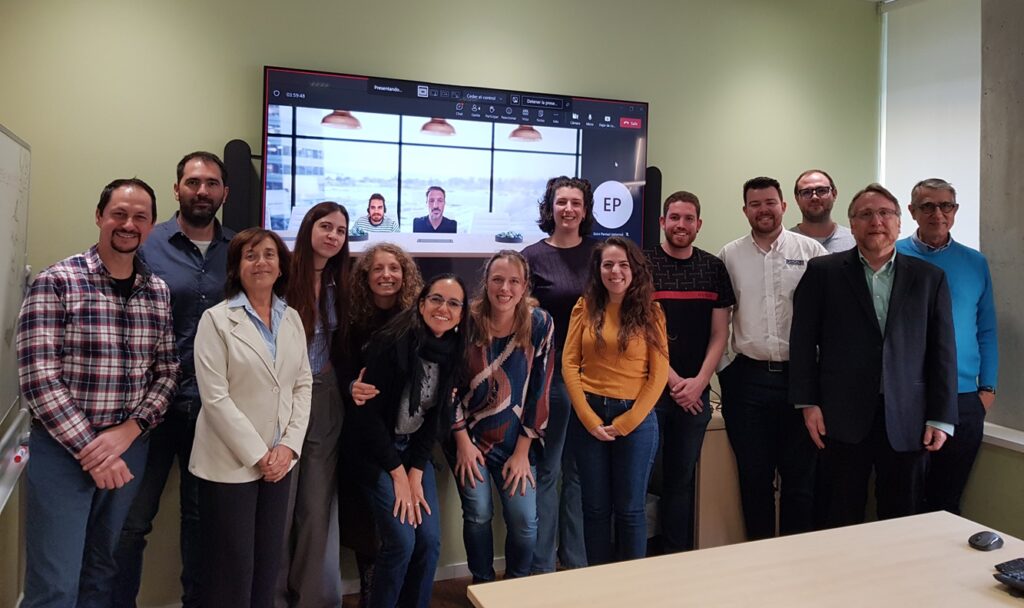
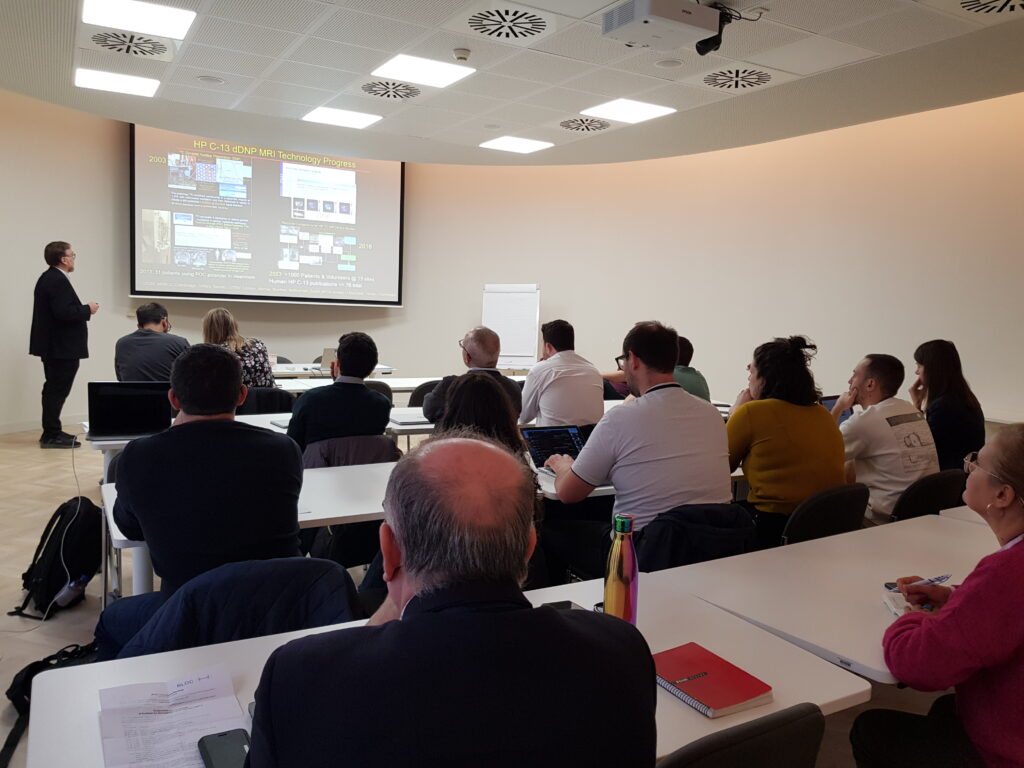
Great success of BLOC Symposium and Workshop

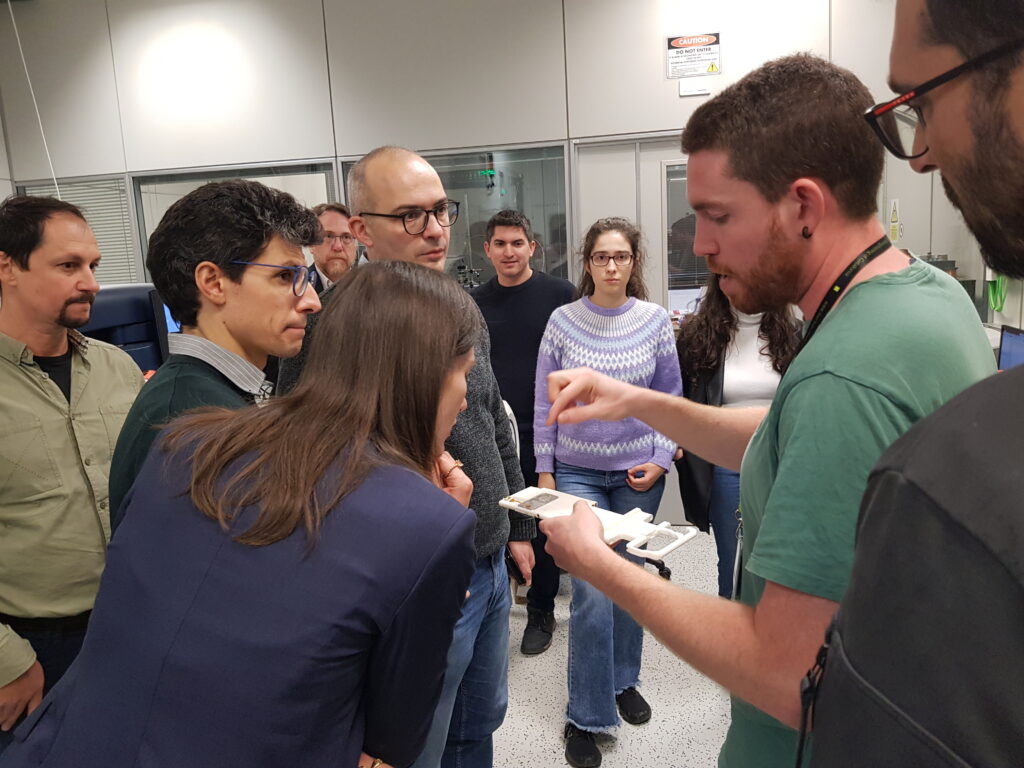
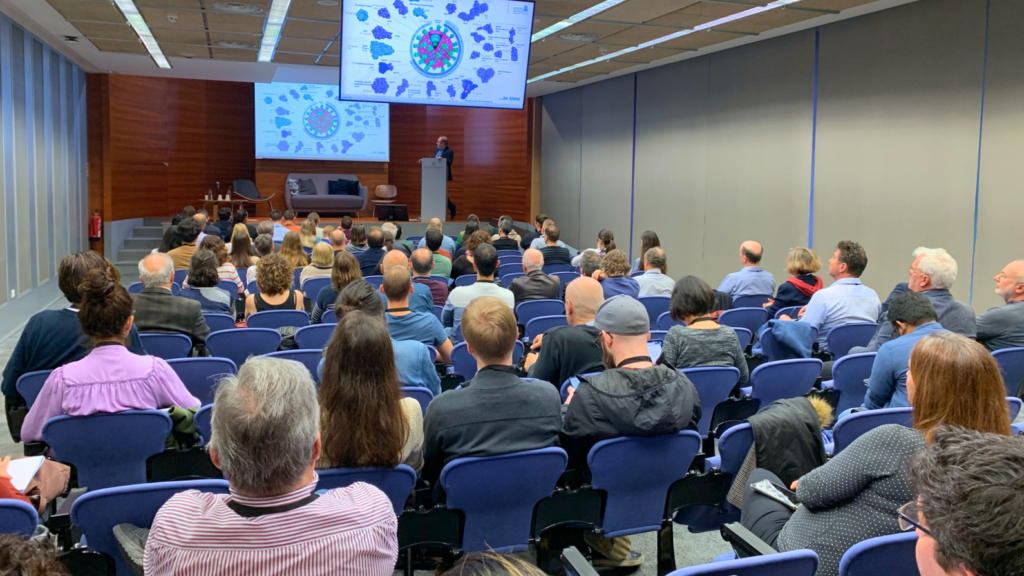
Last week, after the final project meeting, took place the BLOC Symposium and Workshop at the Institute for Bioengineering of Catalonia (IBEC) with very interesting talks and a hands-on workshop to see, first hand, the benchtop NMR spectrometer developed during the project.

BLOC project is getting close to the end… Last 07th of November BLOC researchers had the final meeting at the Consorci Institut d’Investigacions Biomediques August Pi i Sunyer (IDIBAPS) in Barcelona to debate the results and how to improve the benchtop NMR spectrometer. It was time for great discussions with the advisory board and all the project partners, and to think about future steps to bring this new technology closer to the clinic and the society.

Taking profit of the presence of most of the partners together in Barcelona, a Symposium and Workshop was organized at IBEC, on the 8th of November, focused on the fields of MRI, NMR and hyperpolarization.  Renowned international researchers in these areas included Dan Vigneron (University of California), Steffan Glöggler (Max Planck Institute), Dragana Savic (INIA Biosciences & visiting scholar at University of Oxford) and Gabriele Stevanato (Università di Padova).

Subjects as “Benchtop NMR in the Circular Economy and Consumer Products Surveillance: Challenges and Some (partial) Solutions” and “Across cities DNP: hyperpolarized MR without a polarizer” were presented by Javier Sardina (Universidad de Santiago de Compostela) and Andrea Capozzi (EPFL) respectively.

After the talks, attendees had the opportunity to participate in a workshop to see, first hand, the new BLOC benchtop spectrometer to study metabolism in real-time and non-destructively by hyperpolarization-enhanced MRS. Additionally, they also saw the MRI machine and the hyperpolarizer, all located at Irene Marco’s laboratory at IBEC.

To finalize, the event was wrapped up with a round table about NMR and its applications in the field of biomedicine, with the participation of Michael Tayler (Photonic Sciences Institute, ICFO), Gabriele Stevanato, Dragana Savic, Andrea Capozzi, Dan Vigneron, Javier Sardina and Billy Halle (Oxford Instruments, OI).

It was a very fruitful moment to exchange ideas, reinforce networks and to construct new starting points for future exciting projects.

Researchers from IDIBAPS feature BLOC Project at the Annual Meeting of the EASD

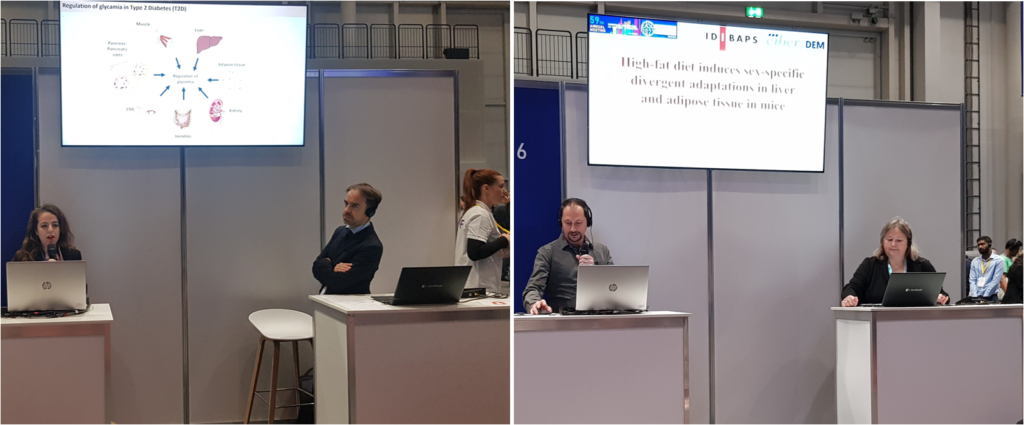
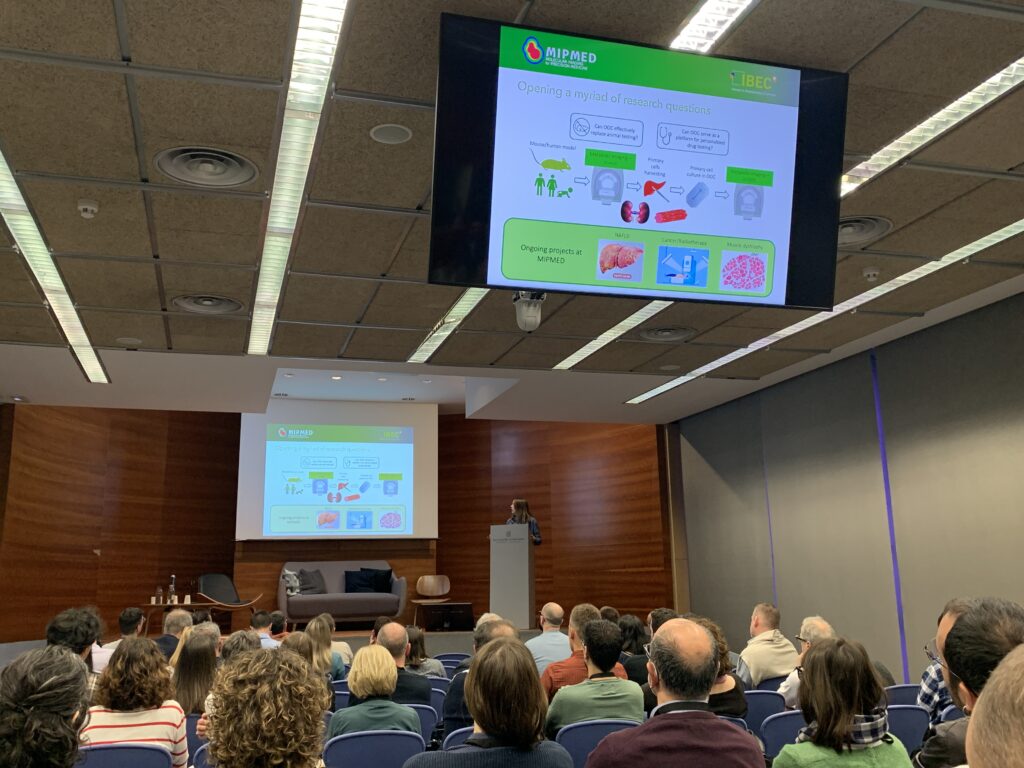
BLOC project was present at the latest Annual Meeting of the European Association for the Study of Diabetes (EASD) with two oral presentations by project members from IDIBAPS.

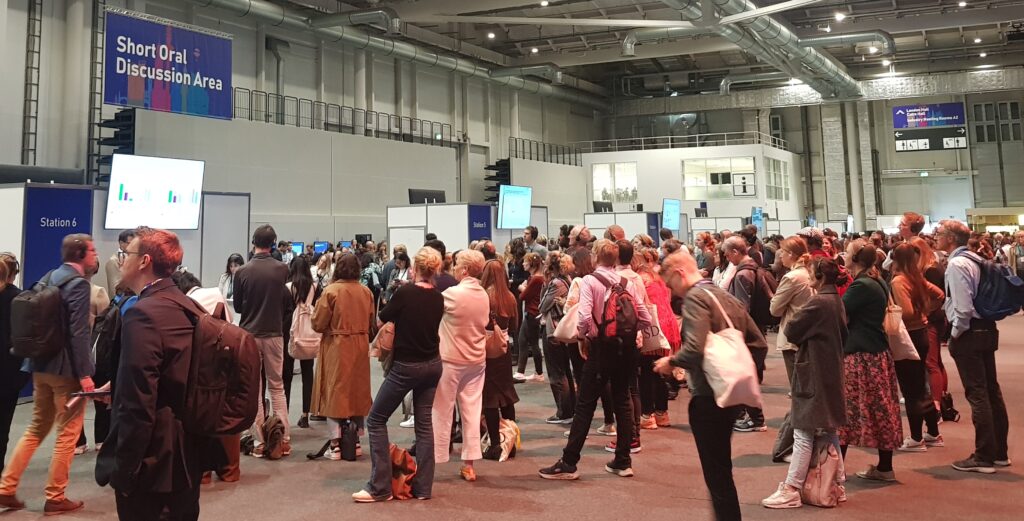
Last 2nd to 6th of October took place in Hamburg, Germany, the Annual Meeting of the European Association for the Study of Diabetes, an event aimed to foster connections within the worldwide diabetes community, disseminate groundbreaking scientific advancements in diabetes research, and offer educational prospects. About 11.000 researchers and professionals working with diabetes converged to discuss the latest advances on diagnosis, treatment, technologies and care, as well as outstanding scientific research.

Vicent Ribas and Samantha Morón-Ros from the laboratory Pathogenesis and Prevention of Diabetes at The Consorci Institut D’Investigacions Biomediques August Pi i Sunyer (IDIBAPS), had the opportunity to share with the assistants the latest advances related to the biological models used in BLOC project. They presented two short oral presentations showcasing groundbreaking results on animal models of diabetes and NAFLD and the intriguing topic of organ crosstalk with talks entitled: “High-fat diet induces sex-specific divergent adaptations in liver and adipose tissue in mice” and “Effects of extracellular vesicles on pancreatic beta cells during obesity progression in mice”.

After their presentations, several researchers get interested in the project and they could exchange with them about the possibilities and future applications of BLOC technology.

BLOC Project participates in the European Researchers’ Night 2023

Last 29th of September, Irene Marco, coordinator of BLOC Project, participated in the European Researchers’ Night 2023 and explained to the non-specialized public how the project can help reducing animal experimentation. Additionally, BLOC was also featured on the Catalan website of the event. 

The European Researchers’ Night is a wide public event held simultaneously in multiple European cities  where researchers showcase the multifaceted world of science and its influence on the daily lives of citizens through engaging and entertaining activities. The idea behind the event is to foster a closer connection between the public and the world of research, cultivating interest in scientific careers and research, while highlighting outstanding research endeavors spanning Europe and other regions. Every year, about 1.5 million people take place in the event and enjoy science and research.

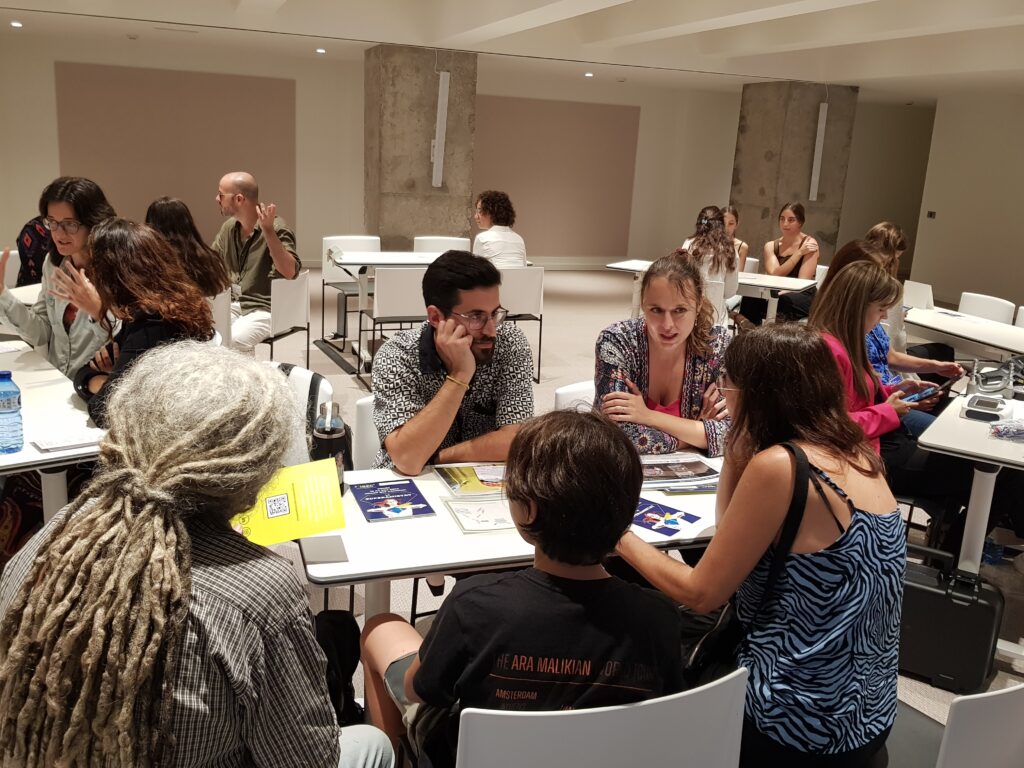
This year, Irene Marco took place in the European Researchers’ Night in an event weld the 29th of September at the CosmoCaixa Science Museum in Barcelona. The activity, called “speed-dating”, consisted in talking directly with the public to explain the research being done, and also to solve, in a very close way, all kind of questions, related with science, research and how is it like to be a researcher.

In this context, Irene Marco focused her participation on the device being developed in BLOC Project to study metabolic processes in the body. She explained how it can help reducing animal experimentation while being more accurate as it uses human cells on the organs-on-chips to perform the experiments.

BLOC Project is also showcased in the Catalan website of the European Researchers’ Night, that offers information about several European projects being carried out in the region. To access this website (in English) click here.

Alba Herrero from IBEC hosts two students in the frame of the Youth and Science program

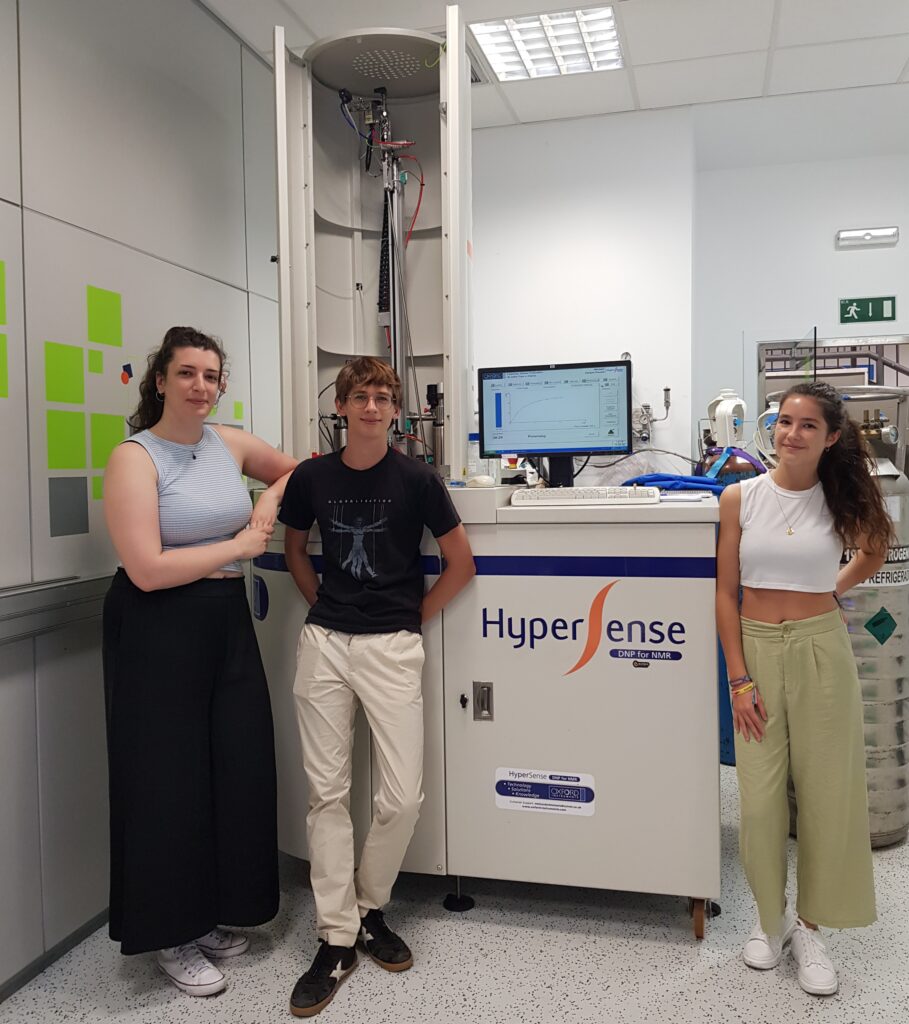
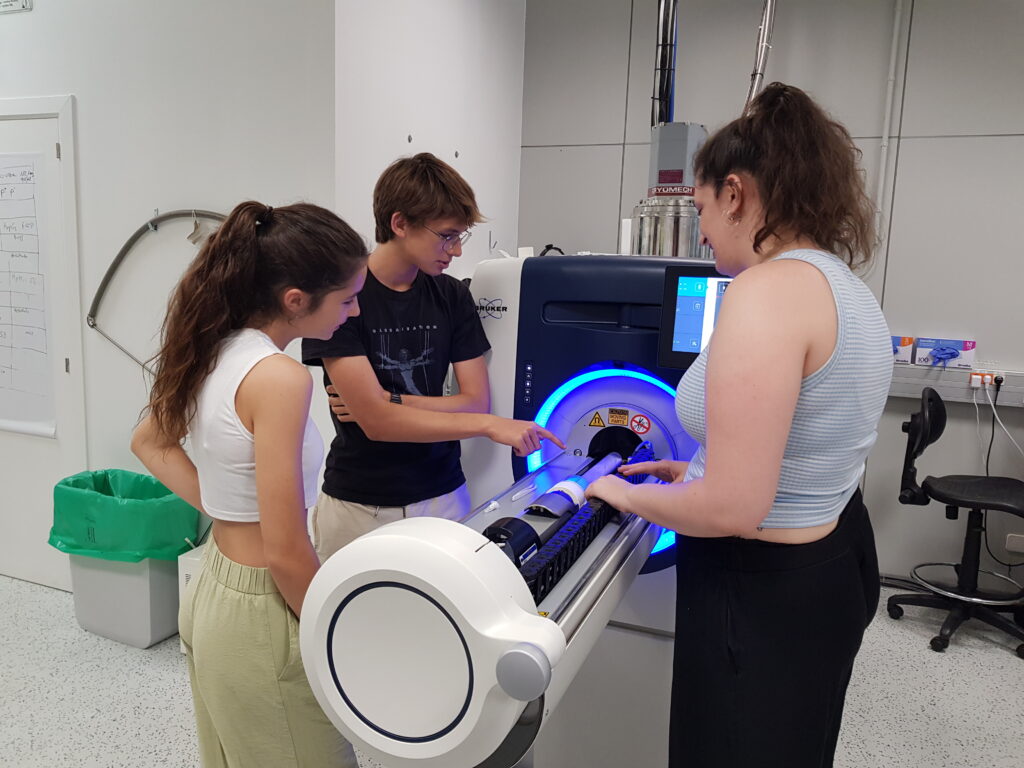
Two high school students from the Youth and Science program from La Pedrera Foundation in Barcelona had the opportunity to spend 4 weeks in the laboratory with Alba Herrero to learn about bioengineering and see the daily life of a researcher.

Alba Herrero, BLOC researcher at the Molecular Imaging for Precision Medicine group led by Irene Marco at Institute for Bioengineering of Catalonia (IBEC) in Barcelona, hosted Clàudia Marí Dolcet and Milos Dragan Ivancic Santana, two 15–16-year-old students who spent in total four weeks in the laboratory (from the 26th of June to the 21st of July). They could experience what it is like to be a researcher and participate in the daily life of the research group while carrying out a small scientific project.

Claudia developed the project “Study of the effect of shear stress on 3D cell models after continuous flow in an Organ-on-a-Chip (OOC)”, where she could study the effect of shear stress on 3D cell models in OOC platforms and analyse the consequences on cell viability, function, and 3D cell model integrity experimentally. In the case of Milos, the project was entitled: “Development of a microfluidic platform for the study of 3D cell models”, Claudia’s and Milos’s projects respectively, and it allowed him to design a microfluidic platform for study of the cell behaviour in flow conditions, and design the 2D and 3D platform, fabricate it in cleanroom facilities and validate the system experimentally.

Apart from the hands-on tasks, the students also gained knowledge about the structure of a scientific paper and practiced their ability to present and discuss research data and findings with colleagues, as they participated in the laboratory meetings. This proved to be an invaluable experience for Claudia and Milos, as it broadened their perspective on scientific research and encouraged their critical thinking skills. Engaging in such activities is highly beneficial for stimulate scientific vocations.

BLOC Project at the 2023 ISMRM & ISMRT Annual Meeting & Exhibition in Toronto

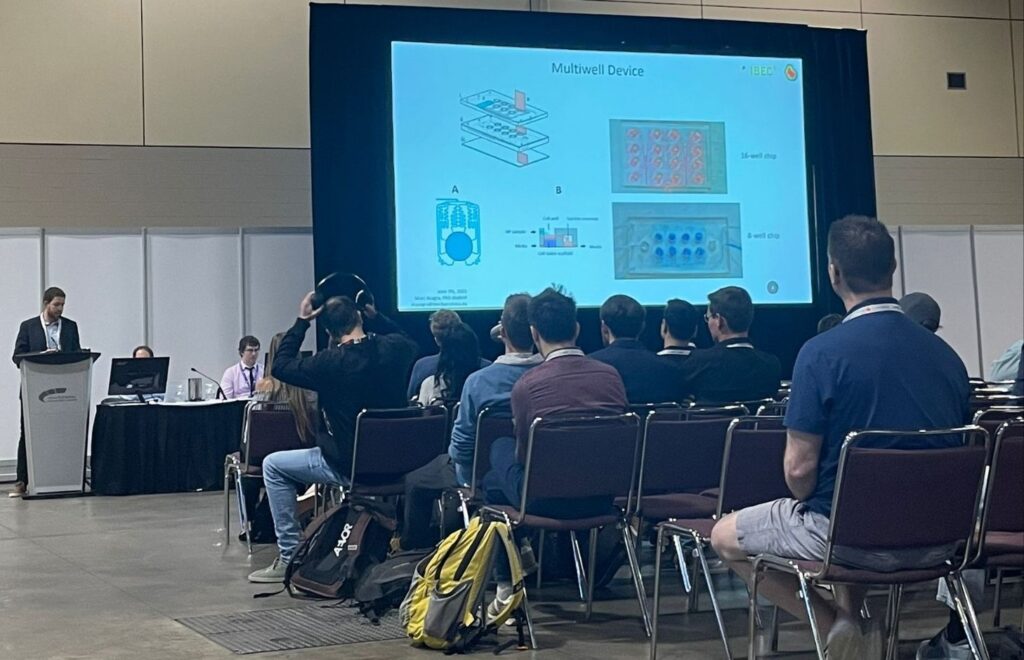
Last 03-08 of June, Marc Azagra showcased BLOC Project at the 2023 ISMRM & ISMRT Annual Meeting & Exhibition, in Toronto, Canada.

The Annual Meeting & Exhibition of the “International Society for Magnetic Resonance in Medicine (ISMRM)”, and its section “International Society for Magnetic Resonance Radiographers & Technologists (ISMRT)” took place last 03rd to 08th of June in Toronto, Canada, bringing together the most renowned researchers in the magnetic resonance field.

In this context, Marc Azagra, researcher at the Molecular Imaging for Precision Medicine group led by Irene Marco at IBEC in Barcelona, presented the BLOC technology: a benchtop NMR spectrometer designed and optimized to monitor real-time metabolism of 3D tissue engineered on microfluidic platforms using hyperpolarization by dynamic nuclear polarization.

He had the opportunity to exchange with an extremely interested audience about the project and to get insights and inspiration to improve the work.

Course on basics of magnetic resonance imaging and spectroscopy (MRI/MRS) held by Irene Marco

Irene Marco, coordinator of BLOC Project, recently co-organized and held a course on basics of magnetic resonance imaging and spectroscopy (MRI/MRS) at IBEC.

During the month of March, several people interested in magnetic resonance imaging attended the course co- organized by Irene Marco, held for 3 days and summarizing 12h. Coordinator of BLOC Project, and Dr. Silvia Lope-Piedrafita, Associate Professor in the Dept. of Biochemistry and Molecular Biology from the Autonomous University of Barcelona. This introductory course to MRI covered the physics of Nuclear Magnetic Resonance (NMR), contrast mechanisms for MRI, spectroscopy, hyperpolarisation and more. Taking advance of BLOC Project, Irene explained several of the themes included in the course, that were:

  • Safety considerations of an NMR facility
  • Description of MRI hardware
  • NMR and MRI basic principles
  • Description of MRI acquisition parameters
  • MRI quantification
  • Common MRI artefacts
  • Spectroscopy and diffusion techniques
  • Hyperpolarisation techniques and applications
  • Visit to the Molecular Imaging for Precision Medicine MRI/NMR lab at IBEC

The Barcelona Integrative Resonance Symposium brings together more than 100 experts

The first BIR symposium, Barcelona Integrative Resonance, was held last 21-22 of March at the Barcelona Science Park, in an event that counted with the participation of Irene Marco, coordinator of BLOC Project, in the organization.

For 2 days more than a hundred experts in the field of magnetic resonance converged in Barcelona to address its application to topics such as biomedicine, quantum computing and paleontology. The BIR Symposium was co-organized by the Scientific and Technological Centres of the UB (CCiTUB) and the Institute for Bioengineering of Catalonia (IBEC), and congregated participants from institutions around the world that shared the possibilities offered by this technology in a multitude of scientific fields.

In this context, Dr. Irene Marco-Rius’s talk “Hyperpolarization-enhanced NMR and MRI methods for tissue engineering applications” presented the new 3T nuclear magnetic resonance scanner linked to hyperpolarization, located at IBEC, which will be key in studies of in vivo metabolism of animals, cells and organ-on-a-chip platforms. Thanks to this imaging technique, it will be possible to validate the functioning of in vitro organ-on-a-chip models by comparing them with measurements taken in in vivo mouse models.

The integration of the new BLOC benchtop spectrometer based on magnetic resonance spectroscopy and dynamic nuclear polarization imaging (DNP-MR) with tissue engineering systems will be applied to monitor diseases and evaluate responses to different stimuli, as for example a biomimetic model composed of liver and pancreatic cells to study metabolic diseases such as diabetes or non-alcoholic fatty liver disease.

Additionally to the MRI located at IBEC, other two magnetic resonance instruments were presented in the event: a GHz NMR and a pulsed EPR-ENDOR.

BLOC Project at EMIM 2023, the European Molecular Imaging Meeting

Marc Azagra from IBEC recently presented the last advances of BLOC Project at the 18th Annual Meeting of the European Society for Molecular Imaging, in Salzburg, Austria.

Last 14th to 17th of March, took place the IMIM 2023, the European Molecular Imaging Meeting in Salzburg, Austria, that annually brings together experts in the field from Europe and abroad, with subjects as “The Power of Measuring in-vivo Dynamics with High-Speed Imaging and Microscopy” and “Precision imaging and nanoimmunotherapy for inflammatory atherosclerosis”.

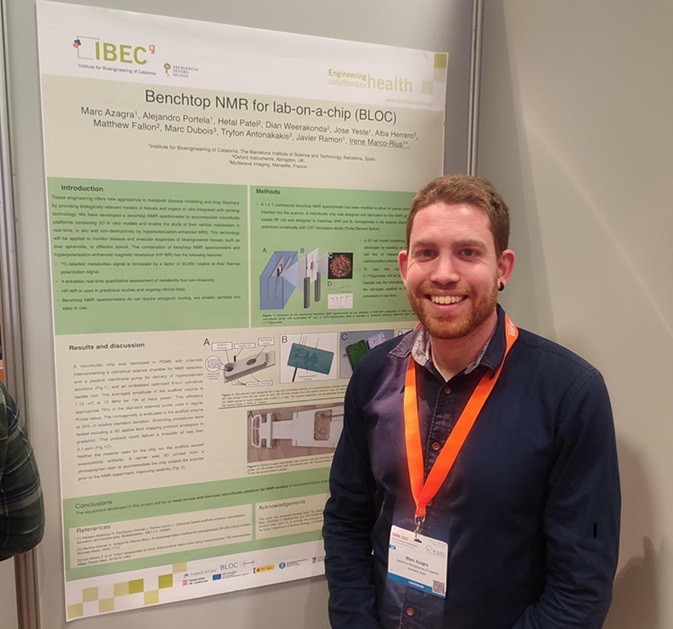
Among 417 posters, Marc Azagra from the Molecular Imaging for Precision Medicine group led by Irene Marco at IBEC in Barcelona, presented BLOC and how the new technology developed in the project can enable the study of the cellular metabolism in real-time, in situ and non-destructively by hyperpolarization-enhanced MRS. The new device aims to be an easy-to-use and low-cost microfluidic platform for NMR studiesof biomedical tissue engineering, environmental control and chemical industry. In the frame of BLOC, this technology will be applied to monitor disease and evaluate responses of bioengineered tissues, such as liver spheroids, to different stimuli.

One more year BLOC participates at the International Day of Women and Girls in Science

Last 24th of February, Alba Herrero, BLOC researcher at the Institute of Bioengineering of Catalonia (IBEC), explained her trajectory as a scientist to several students from the “Institut de L’Arboç” in Tarragona, Catalonia.

Since 2015, February 11th has marked the annual celebration of the International Day of Women and Girls in Science, a designation by the United Nations. This global event’s primary aim is to eliminate gender stereotypes and ingrained biases that have historically impeded the participation of females in the field of science.

On a worldwide scale, this day signifies a commitment to providing inclusive and equitable opportunities for women and girls in the scientific arena. The diverse activities organized are designed to promote the empowerment and involvement of women and girls in scientific events while advancing the cause of gender equality.

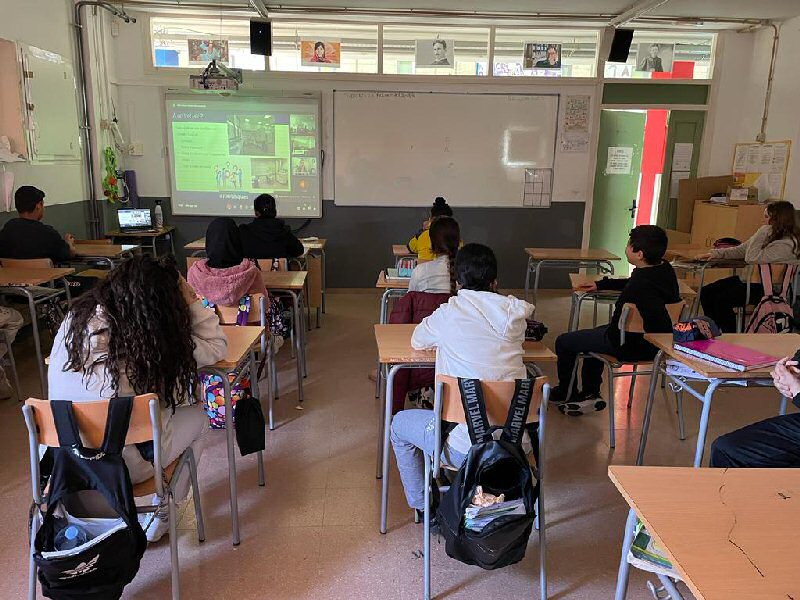
Within this framework, Alba Herrero, a member of the Molecular Imaging for Precision Medicine group led by Irene Marco at IBEC in Barcelona, actively engaged in the 8th International Day of Women and Girls in Science. Last 24th of February, she gave an online talk to 110 6-7-years-old students from “Institut de L’Arboç” in Tarragona, Catalonia as part of the annual 100tifiques event, a collaborative effort between the Catalan Foundation for Research and Innovation (FCRI) and the Barcelona Institute of Science and Technology (BIST). The 100tífiques event seeks to bridge the gap between science and schools in Catalonia while advocating for the recognition of female scientific talent.

Alba explained to a very interested audience how she became a scientist and how is it to work on research, transmitting to the students her passion for science. Among other very interesting questions, students asked the difference between medicine and biomedicine, what happens if there is an accident in the laboratory and what do researchers do when the experiments go wrong! For sure some of them will be the researchers from the next years